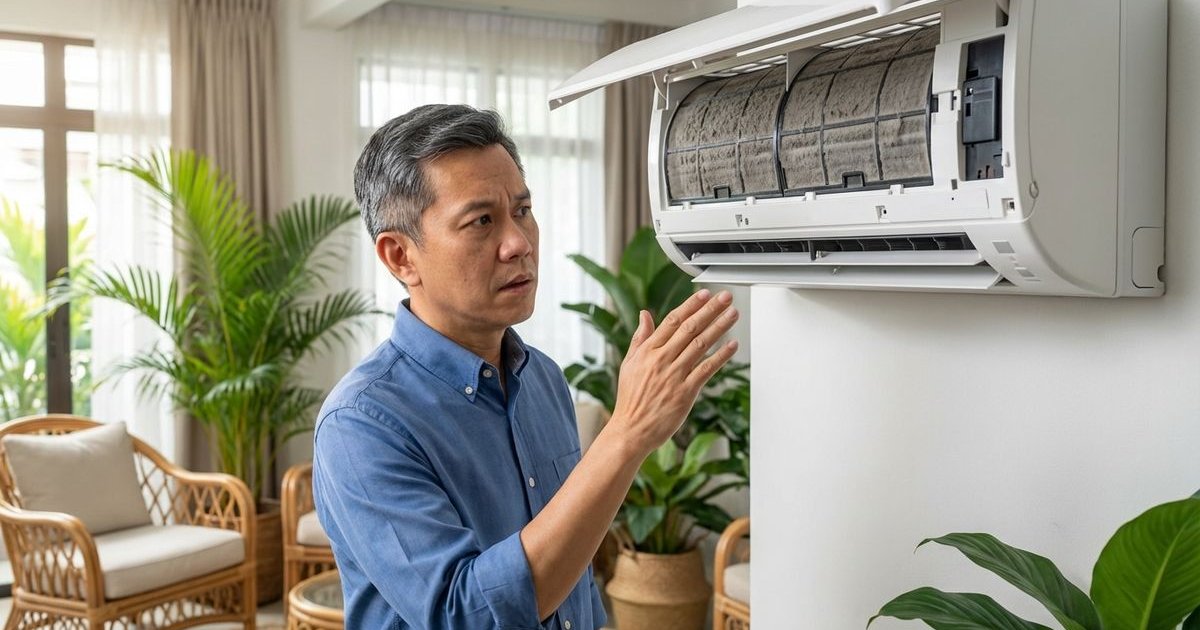
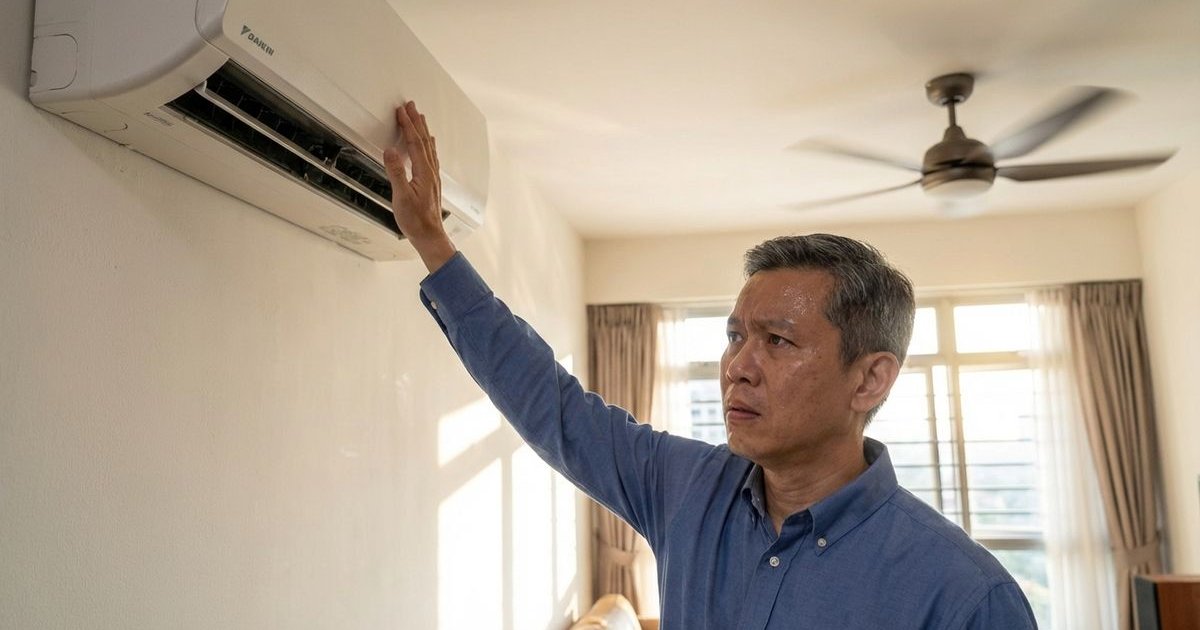
Can You Fix Your Aircond Yourself? DIY vs Professional Repair
Wondering if you should DIY your aircond repair? Learn which fixes are safe to do yourself and when you absolutely need a professional technician.
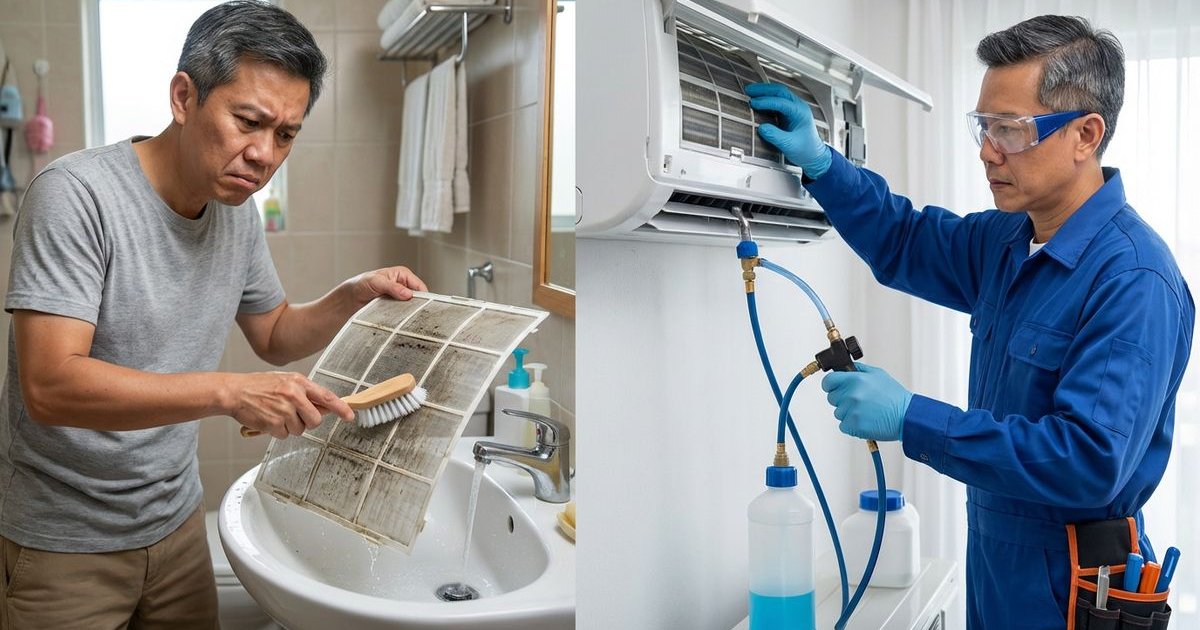
With YouTube tutorials showing everything from baking sourdough to fixing cars, it’s tempting to grab a screwdriver and tackle your noisy air conditioner yourself. But knowing exactly when to handle a simple fix and when to call a professional can save you from a sweating, sleepless night in our humid tropical climate.
This guide helps you decide the right approach, keeping your home cool while avoiding the “hidden costs” many homeowners in Puchong and Kuala Lumpur dread.
Safe DIY Tasks (Do These Yourself)
Most routine maintenance doesn’t require certification or expensive tools. In fact, handling these small jobs yourself is the best way to keep your unit running efficiently during the hottest months.
1. Filter Cleaning
Difficulty: Easy Time: 10-15 minutes Why it matters: In Malaysia’s high humidity, dust quickly turns into a thick paste that blocks airflow. How to:
- Turn off the aircond at the wall switch.
- Open the front panel (usually clicks on the sides).
- Remove the mesh filters carefully.
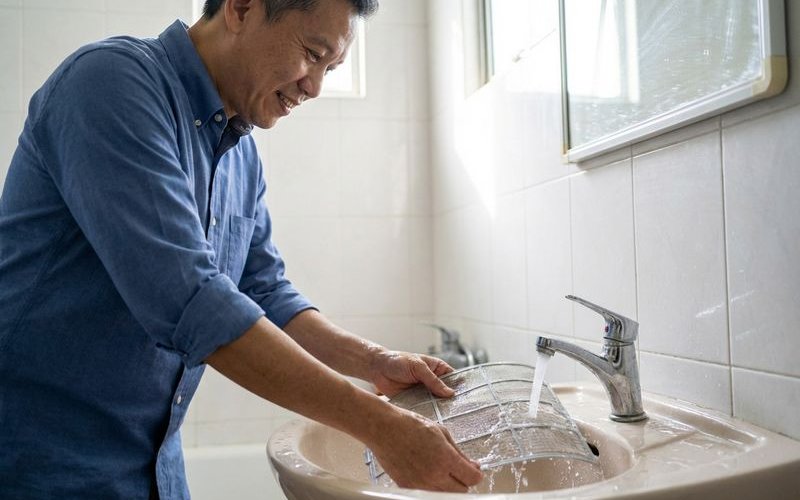
- Wash them with water in your bathroom (avoid harsh soaps).
- Let them dry completely before putting them back.
- Reinstall and close the panel.
Pro Tip: Panasonic and Daikin units often have very specific filter clips, so be gentle when pulling them out.
2. Remote Control Troubleshooting
Difficulty: Easy Common fixes:
- Replace the AAA batteries (alkaline batteries last longer in our heat).
- Wipe the sensor window on the remote and the unit with a dry cloth.
- Reset the remote by removing batteries for 30 seconds, then reinserting them.
3. Checking Obvious Power Issues
Difficulty: Easy What to check:
- Is the wall switch turned on?
- Has the circuit breaker tripped? (Common during KL thunderstorms).
- Are windows and doors fully closed?
- Is the outdoor unit blocked by potted plants or dried leaves?
4. Basic Surface Cleaning
Difficulty: Easy What you can clean:
- Exterior casing (wipe dust with a damp cloth).
- Air vents (use a vacuum with a brush attachment).
- Accessible plastic surfaces.
Borderline DIY (Proceed with Caution)
Certain tasks sit in a grey area where a handy homeowner can succeed, but the risk of damage increases. Stop immediately if you feel unsure or encounter resistance.
1. Outdoor Unit Cleaning
Difficulty: Medium Risk: Low to medium What you can do:
- Clear away dead leaves or debris trapped behind the unit.
- Gently hose down the outer casing (avoiding electrical ports).
- Ensure the drain pipe isn’t buried in dirt.
Don’t:
- Use a high-pressure jet wash (this bends the delicate aluminum fins instantly).
- Spray water directly into the fan motor.
- Touch any exposed wiring.
2. Drainage Maintenance
Difficulty: Medium Risk: Low What you can try:
- Pour a small cup of diluted bleach into the drain pan to kill algae.
- Check the end of the drain pipe for “jelly” (a common bacterial buildup in our climate).
- Clear visible blockages at the pipe exit.
Call a pro if:
- Water is dripping inside the house despite your efforts.
- You cannot locate the blockage.
Never DIY (Always Call a Professional)
Specific repairs require certification under Malaysian law and specialized tools to perform safely. Attempting these yourself often leads to higher repair bills or voided warranties.
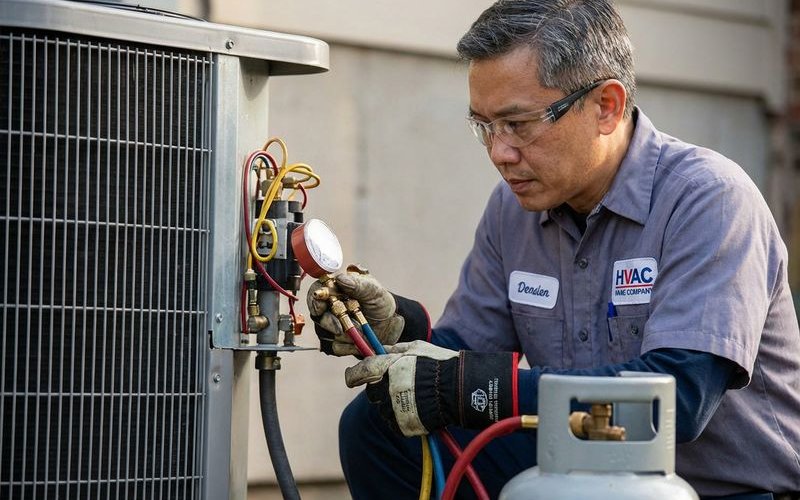
1. Refrigerant Handling ⚠️
Why not:
- Legal Risk: Under the Environmental Quality Act 1974 (and 2024 amendments), venting refrigerant gas into the atmosphere carries heavy fines.
- Safety Hazard: R32 gas, standard in most modern units, is mildly flammable.
- Precision Required: Overcharging by even 10 PSI strains the compressor, while undercharging causes freezing.
2. Electrical Repairs ⚠️
Why not:
- High Voltage: Malaysian homes run on 240V, which is lethal if mishandled.
- Fire Risk: Loose connections can overheat and spark, especially in older wiring.
- Component Damage: Incorrect voltage can instantly fry the main PCB (Printed Circuit Board).
3. Compressor Work ⚠️
Why not:
- System Pressure: The compressor operates under immense pressure.
- Tool Requirement: You need welding sets, vacuum pumps, and manifold gauges.
- Cost Impact: A botched compressor repair usually requires replacing the entire outdoor unit.
4. PCB/Control Board ⚠️
Why not:
- Diagnostic Complexity: Modern inverter boards use complex error codes (like Daikin’s blinking light sequences).
- Fragility: Static electricity from your hands can destroy sensitive chips.
- Warranty: Opening the electronics box typically voids your manufacturer warranty immediately.
Risks of DIY Gone Wrong
Making a mistake on a complex repair often costs more than the original service fee.
| DIY Attempt | Potential Consequence | Cost to Fix (Est. RM) |
|---|---|---|
| Wrong gas type (R32 vs R410A) | Compressor failure | RM1,200 - RM1,800 |
| Electrical wiring mistake | Fried PCB Board | RM350 - RM600 |
| Bent condenser fins | Reduced cooling efficiency | RM250 - RM400 |
| Improper chemical use | Corroded cooling coils | RM450 - RM800 |
When DIY Makes Sense
Do it yourself if:
- The task is routine cleaning (filters and casing).
- The solution is non-invasive (batteries, resetting breakers).
- You possess the correct tools and understand the risks.
- No refrigerant or high-voltage electricity is involved.
- The unit is out of warranty and you accept the risk.
When to Call a Pro
Call a professional if:
- The problem involves gas (not cold, ice forming).
- You see flashing error lights on the indoor unit.
- Water is leaking internally and basic clearing didn’t help.
- There is a burning smell or strange noise.
- The unit is still under warranty (don’t void it).
Cost Comparison
Understanding the real market rates in Kuala Lumpur helps you spot fair pricing versus “too good to be true” offers.
| Task | DIY Cost | Pro Cost (Avg) | Risk Level |
|---|---|---|---|
| Filter Clean | Free | RM30 - RM50 | None |
| Chemical Wash | N/A | RM120 - RM180 | High (requires dismantling) |
| Gas Top-up | Illegal/Dangerous | RM50 - RM150 | High |
| Capacitor Change | RM30 - RM50 | RM150 - RM250 | Medium (High Voltage) |
The Smart Approach
For best results:
- Commit to cleaning your filters every two weeks.
- Learn the basic error codes for your specific brand.
- Schedule a professional chemical wash once a year to remove deep grime.
- Leave the gas and electrical work to certified experts.
- Prioritize safety over saving a few Ringgit.
Our Professional Service
We specialize in honest, transparent air conditioning support for homeowners who want the job done right.
- Diagnostic: RM50 (Waived if you proceed with repair).
- Chemical Wash: Starting from RM150 (Includes proper dismantling and drainage flush).
- Repairs: Clear quotes upfront with no hidden “gas refill” charges unless absolutely necessary.
Related Service
Learn more about our ac repair service